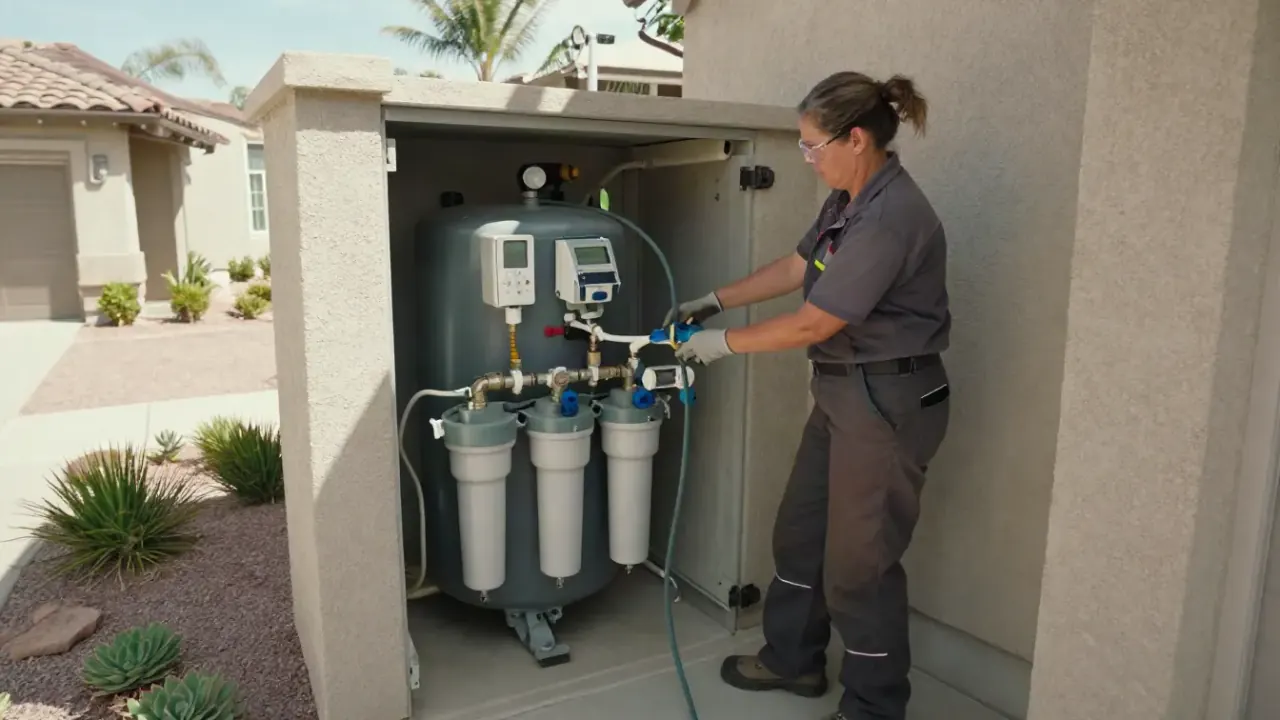
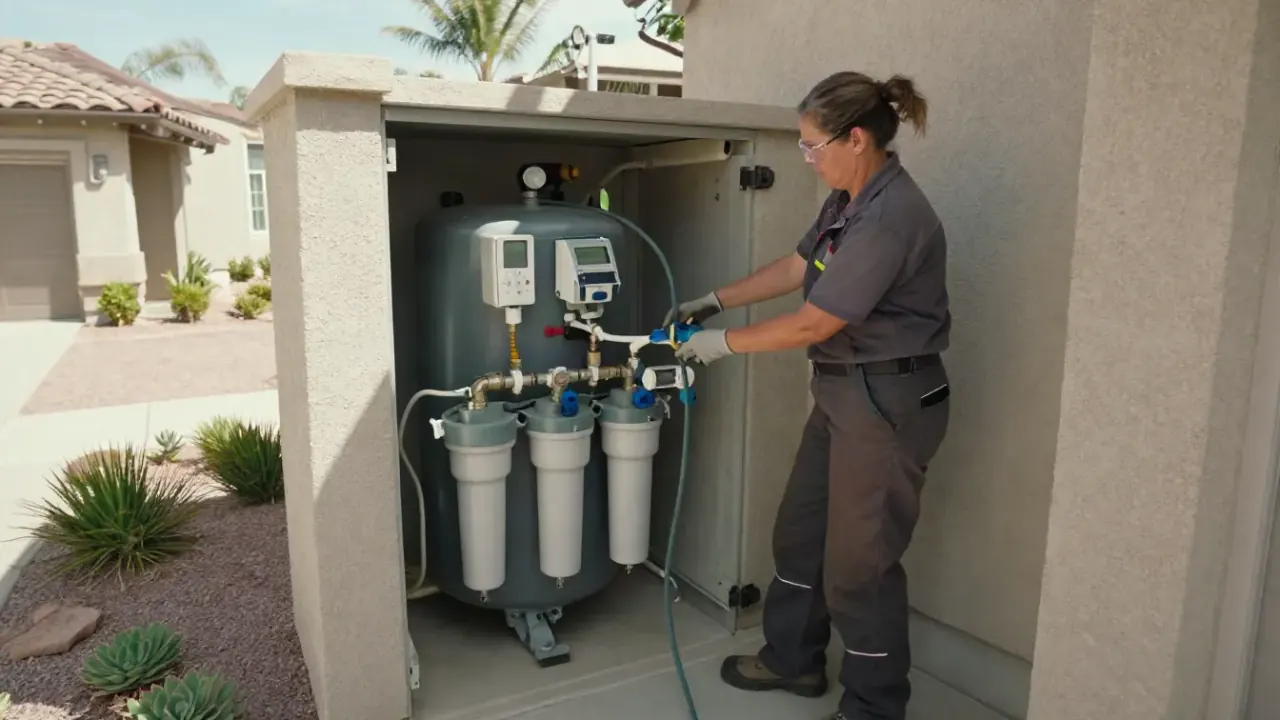
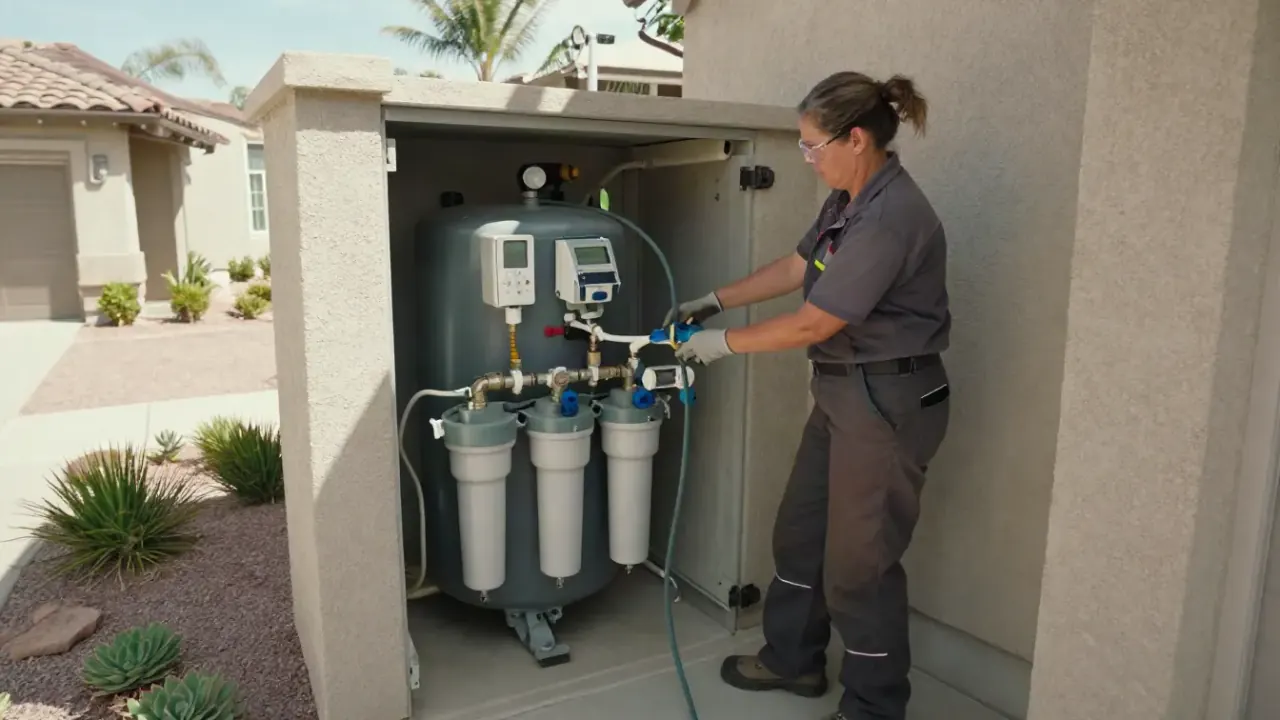
Clean tank
Vacuumed, scrubbed, and flushed brine well
Brine Tank Cleaning Diamond Bar CA is the fastest way to fix salty, hard, or low-pressure water. If your softener is using bags of salt without softening anything, the tank is the problem. We serve homeowners across Diamond Bar and Los Angeles County with same-day service, upfront pricing, and a clean tank that lets your system work again.
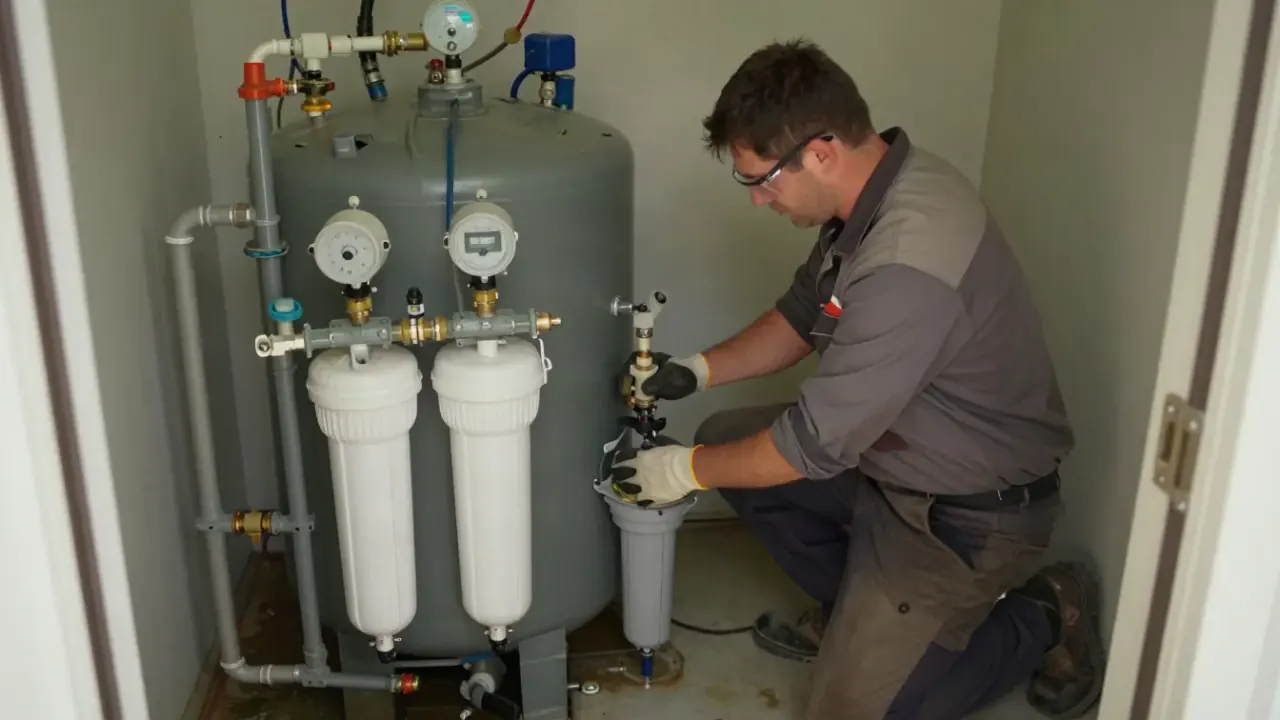
Every cleaning covers the tank itself plus a basic system check, so you know the whole softener is working, not just the tank. If we find a failed valve or resin problem, we quote that separately before doing any extra work.
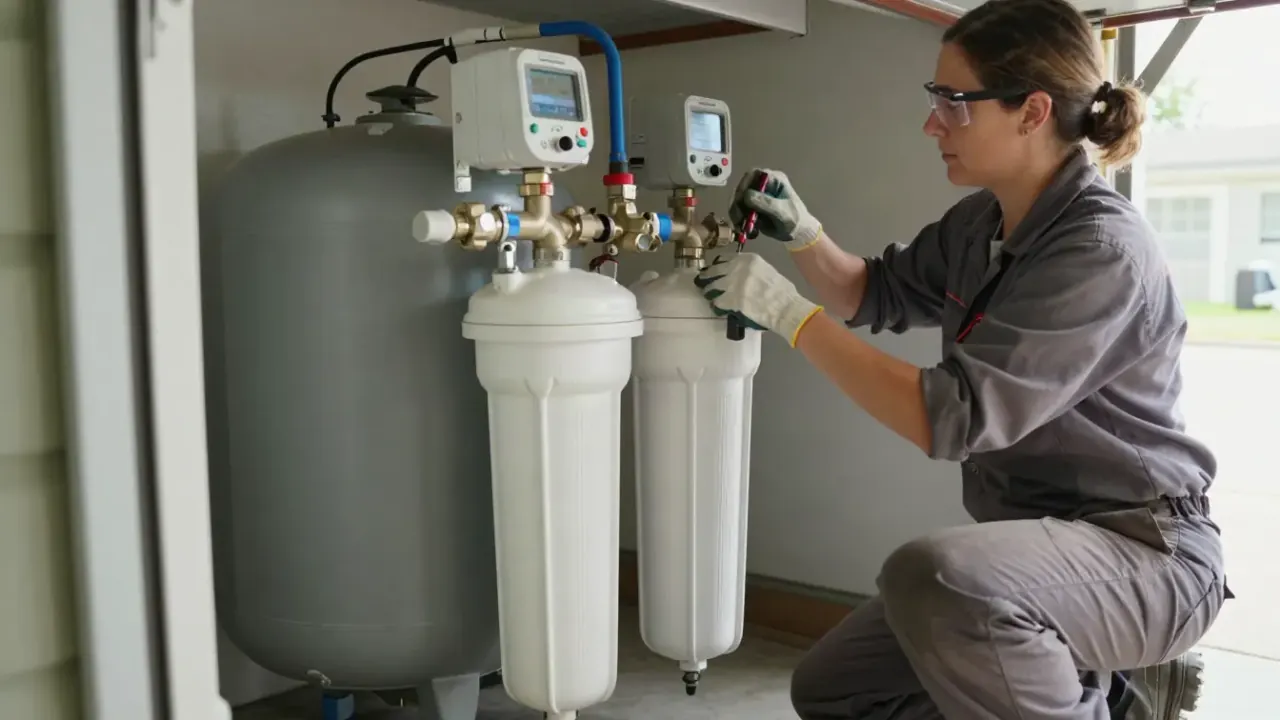
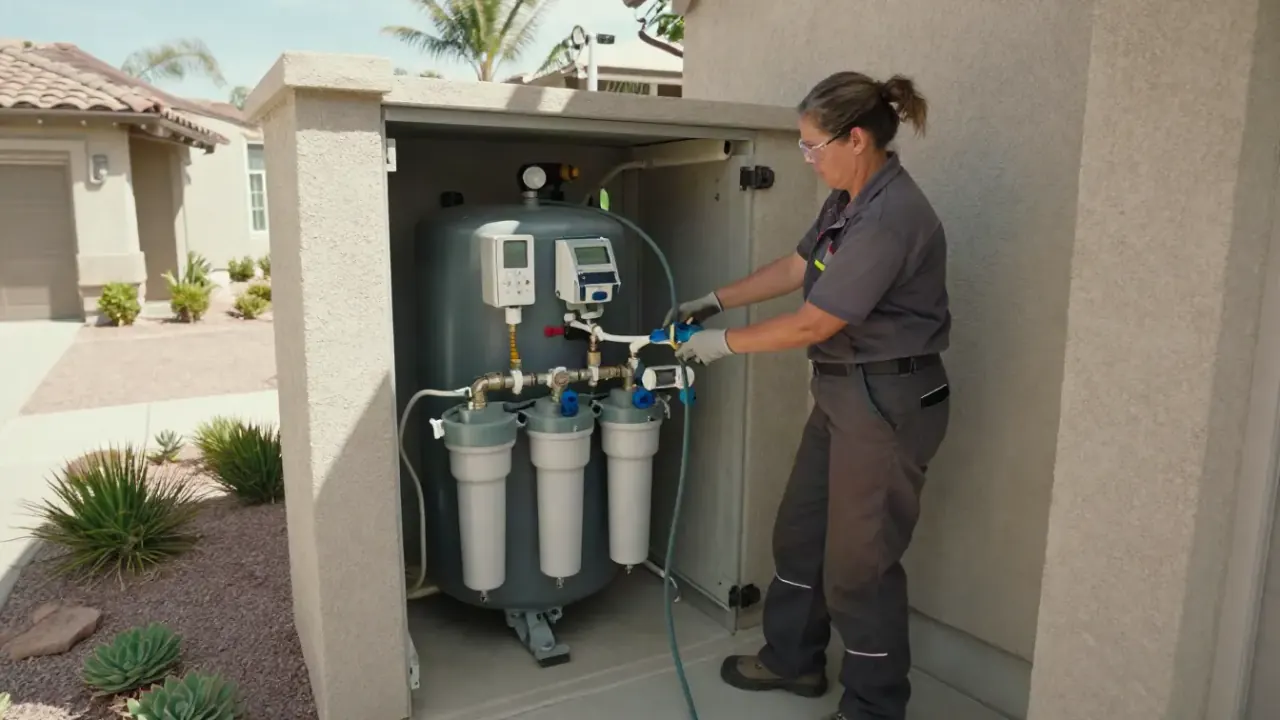
We clean brine tanks for homeowners and renters across Diamond Bar. If your softener runs but the water still feels hard, the tank is usually the reason.
We clean and maintain brine tanks for property managers and small businesses in Diamond Bar. We work around tenant schedules and leave a written salt plan.
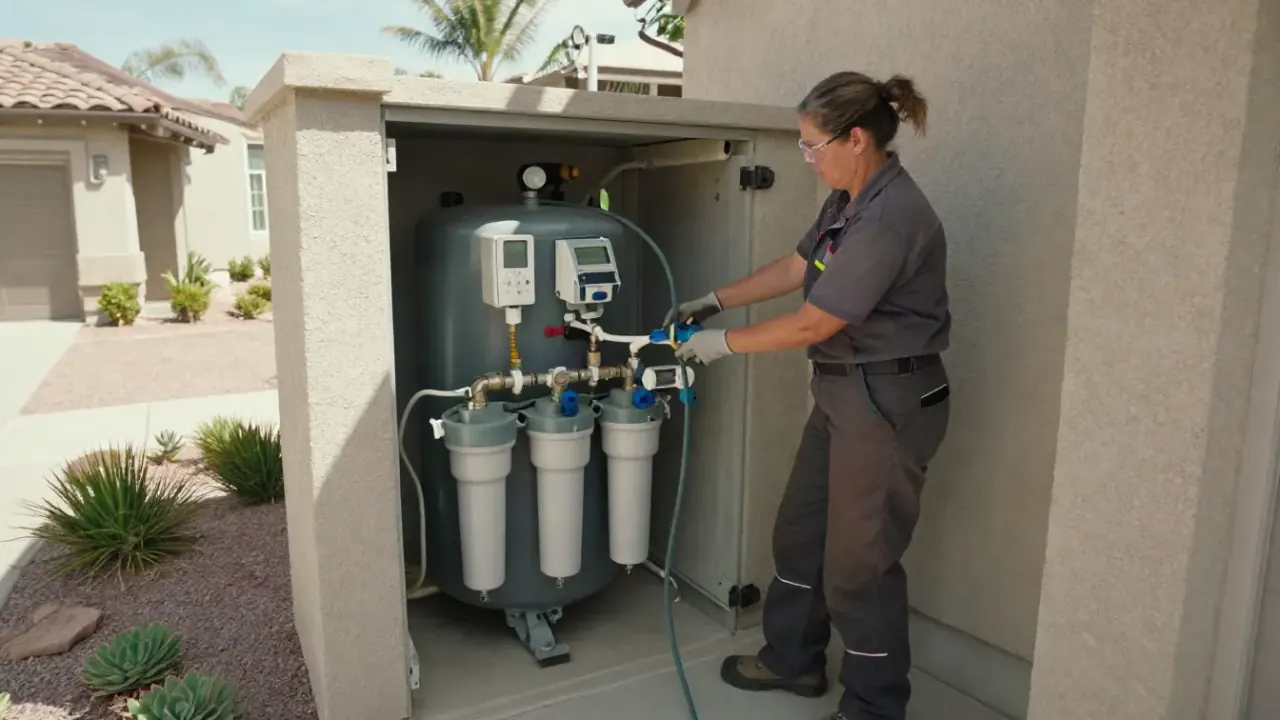
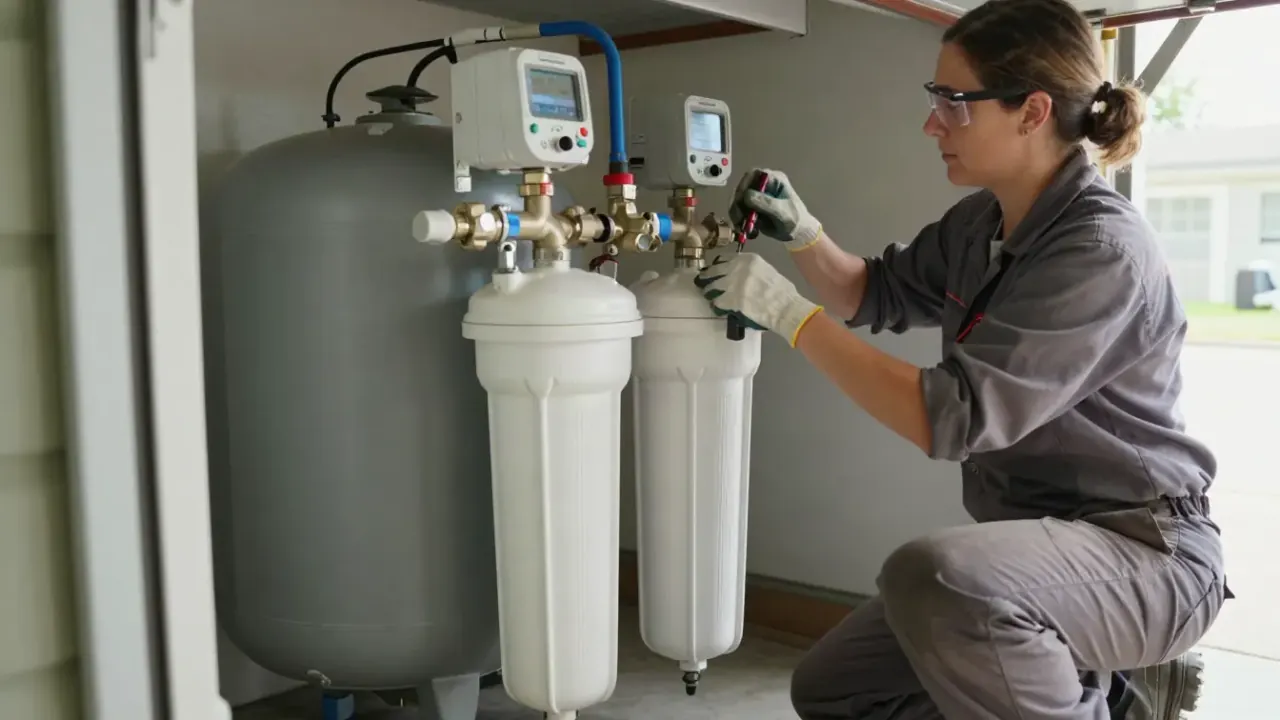
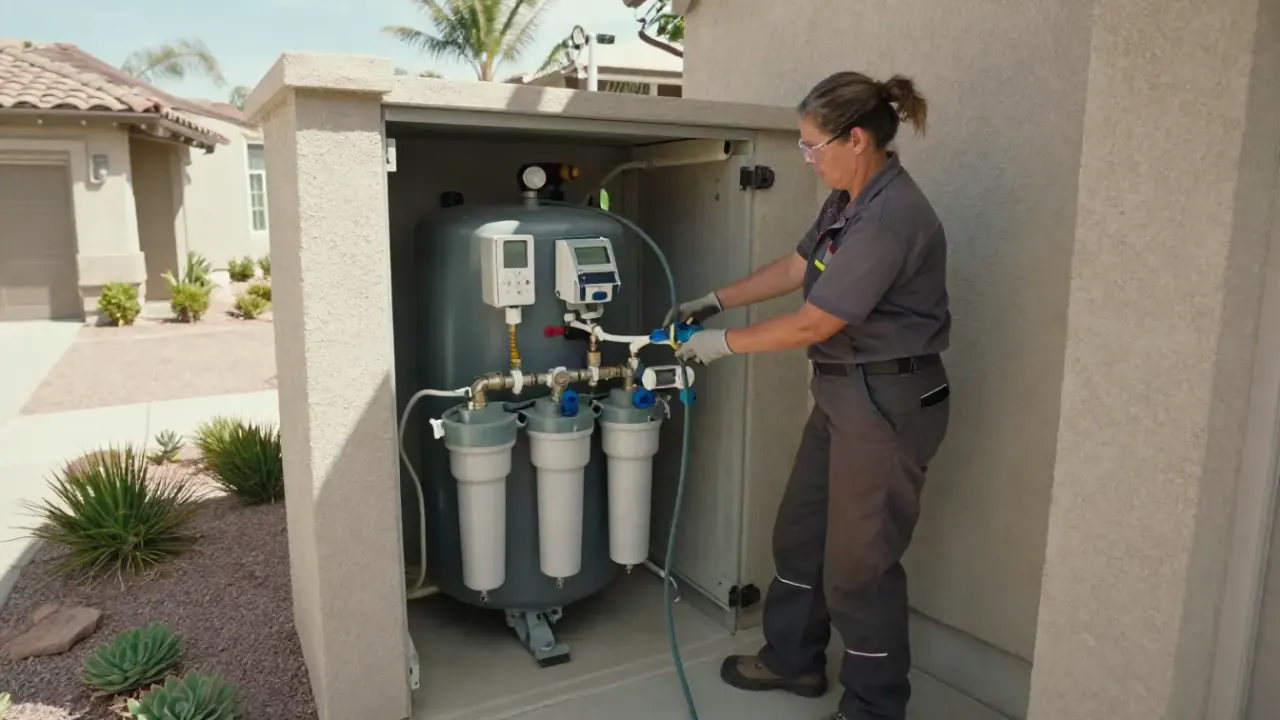
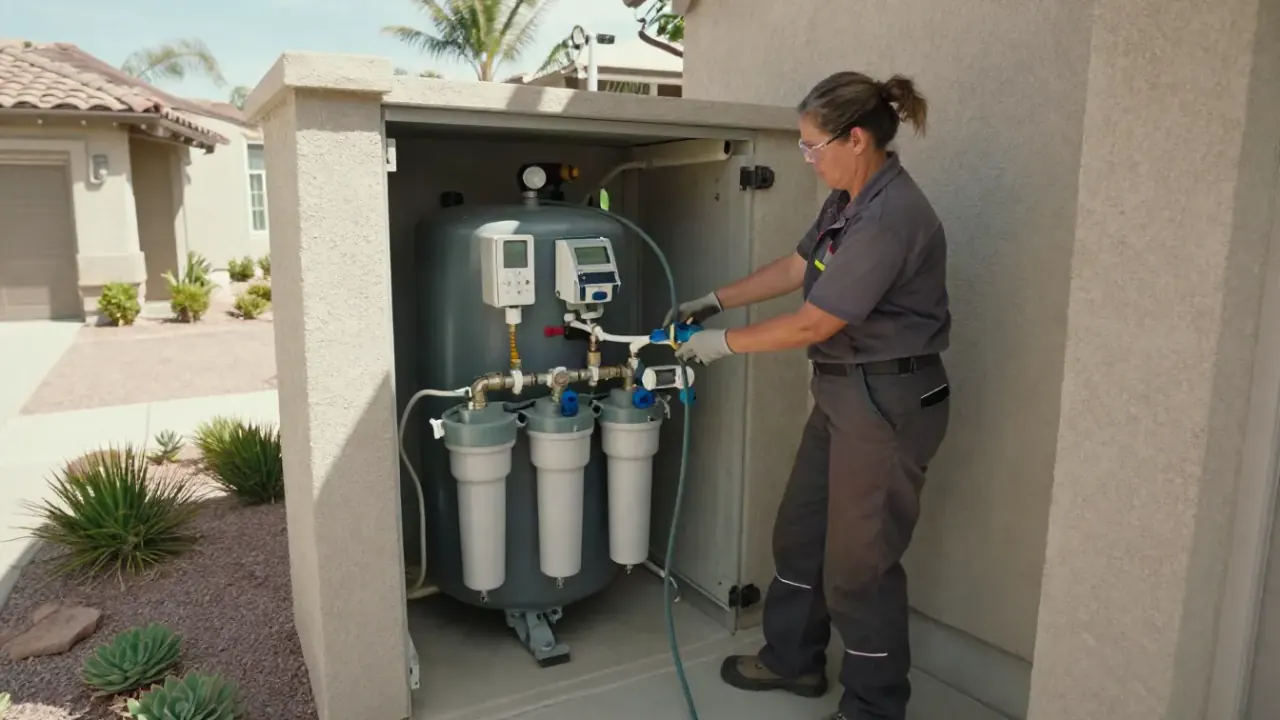
Brine Tank Cleaning Diamond Bar CA means emptying the salt tank, breaking up compacted salt and sludge, and flushing the brine well so your softener pulls clean brine again. We scoop out wet salt, vacuum the grit at the bottom, inspect the float and air check, and refill with fresh water softener salt. Most tanks hold 200 to 400 pounds of salt, and a neglected one can turn into a solid block within a year.
Diamond Bar sits in Los Angeles County where water hardness runs 10 to 18 grains per gallon, so your softener works hard and the brine tank fills with sludge faster than most homeowners expect. If you have been searching for brine tank cleaning near me, we handle the messy part. We also check your resin tank, control valve, and bypass valve while we are there.
A brine tank works only when the salt dissolves and the well stays clear.
We keep the job clean and quick, usually 60 to 90 minutes on site. Here is exactly what happens from the moment we arrive until we hand you back a working softener.
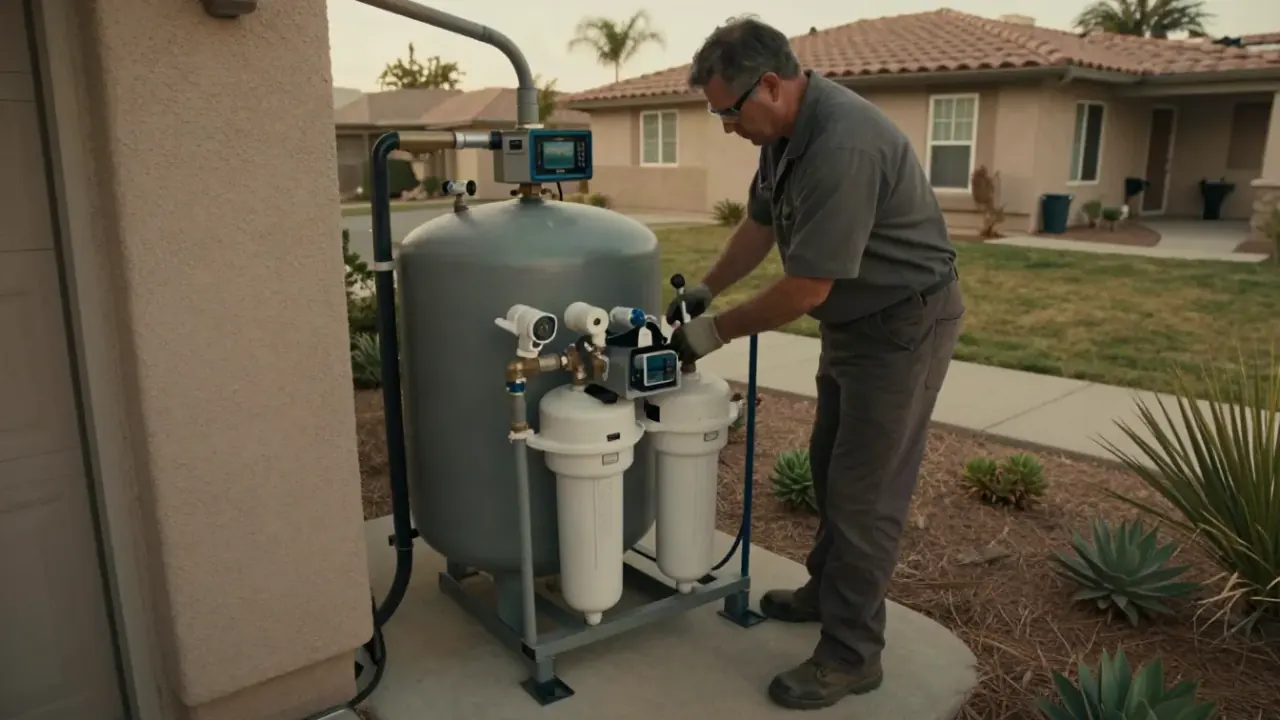
We start by testing your water with a hardness test kit and TDS meter, then check the control valve, bypass valve, and brine line for clogs. This tells us whether the tank is the only problem or if the resin tank or valve needs attention too. Takes about 15 minutes.
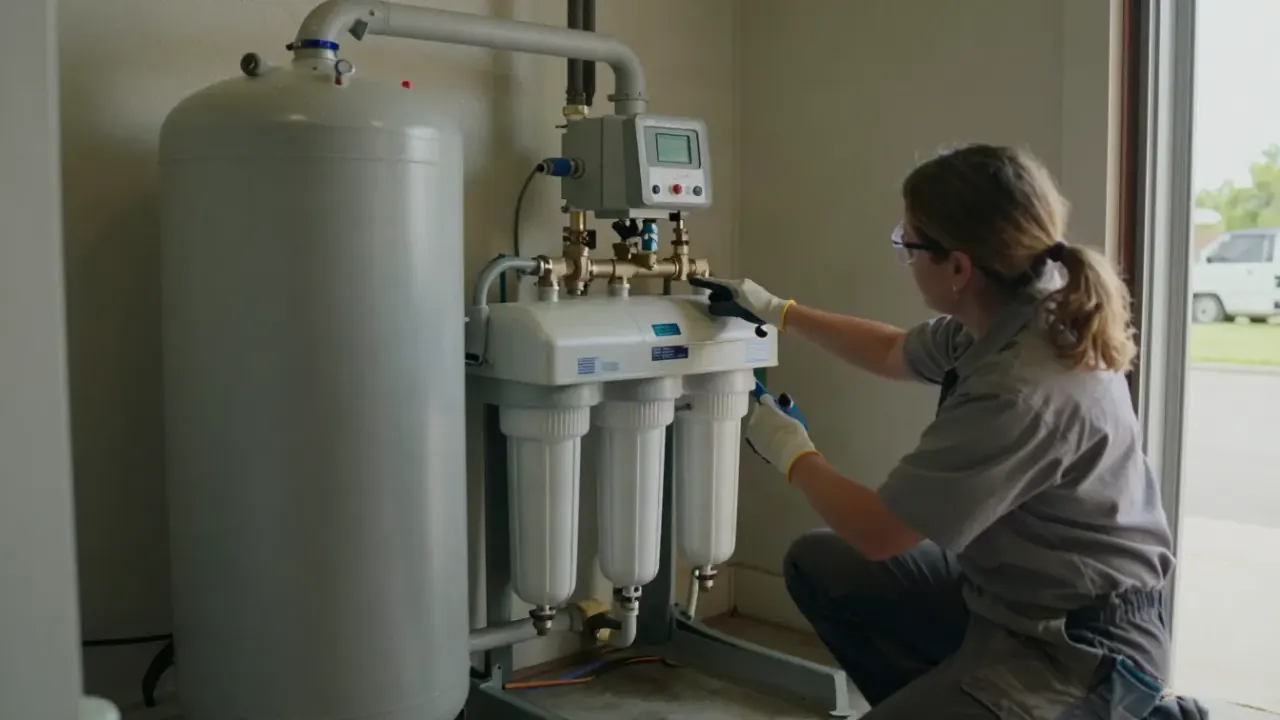
We shut off the bypass, drain the tank with a brine tank vacuum, and scoop out the wet salt and compacted sludge by hand. Salt bridges that look solid on top often hide a hollow void underneath. This step usually takes 20 to 30 minutes depending on how much salt is in the tank.
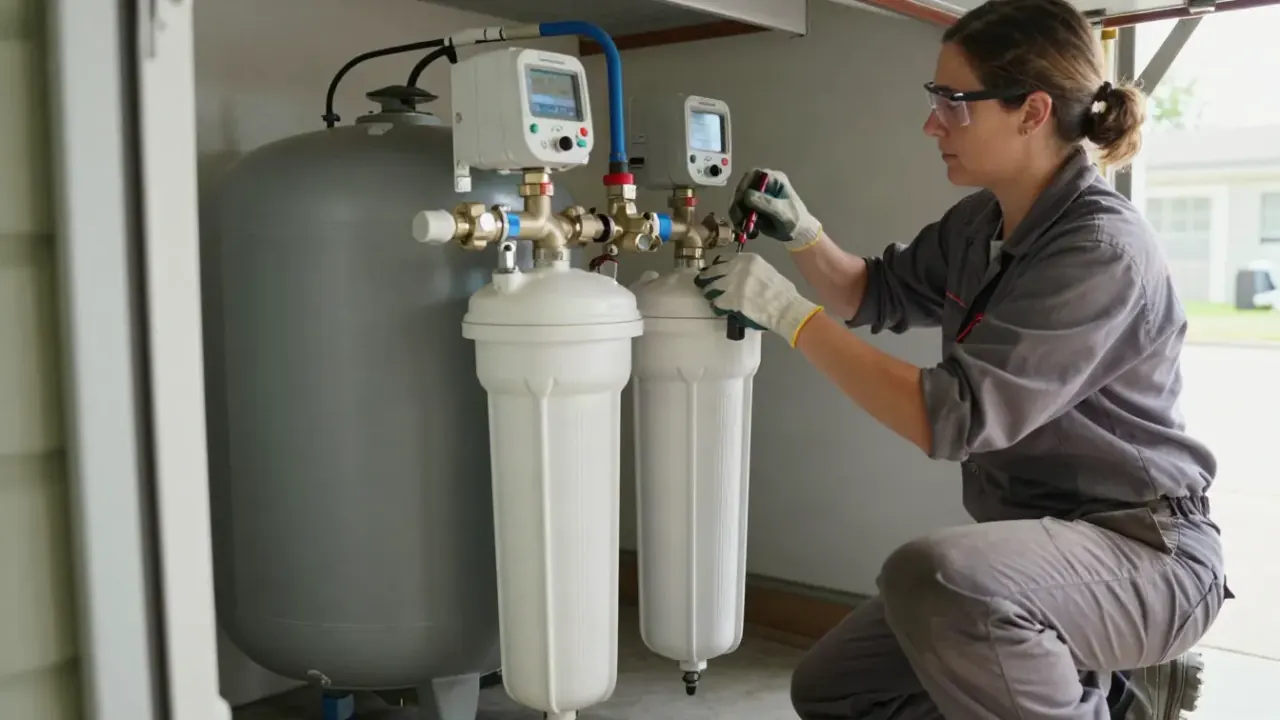
We scrub the walls and brine well, then flush the bottom to remove grit that can damage the injector and piston. We inspect the float, air check, and brine tubing for cracks or buildup. On Fleck, Autotrol, and Clack valves, we also check the injector screen while the tank is empty.
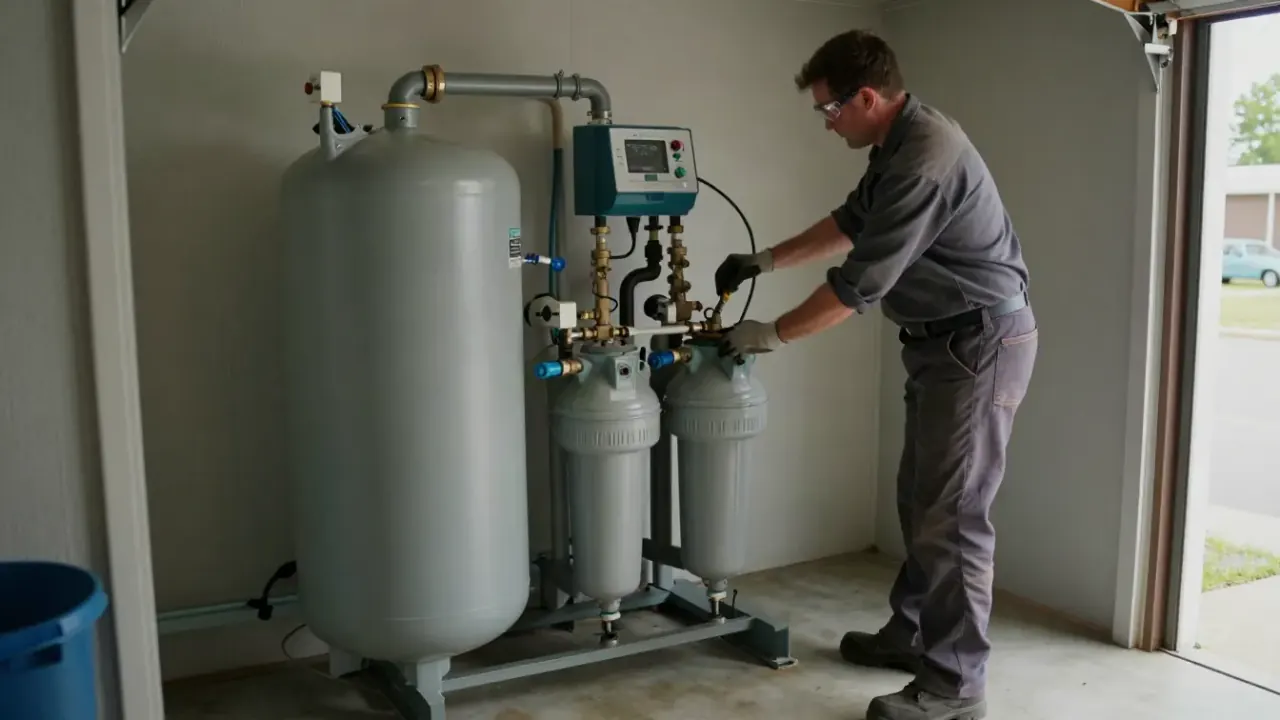
We add fresh water softener salt to the correct level, usually 3 to 4 inches above the water line, and restart the system. If you use potassium chloride, we adjust the salt setting on the control head. We run a manual regeneration to confirm the brine draw is working.
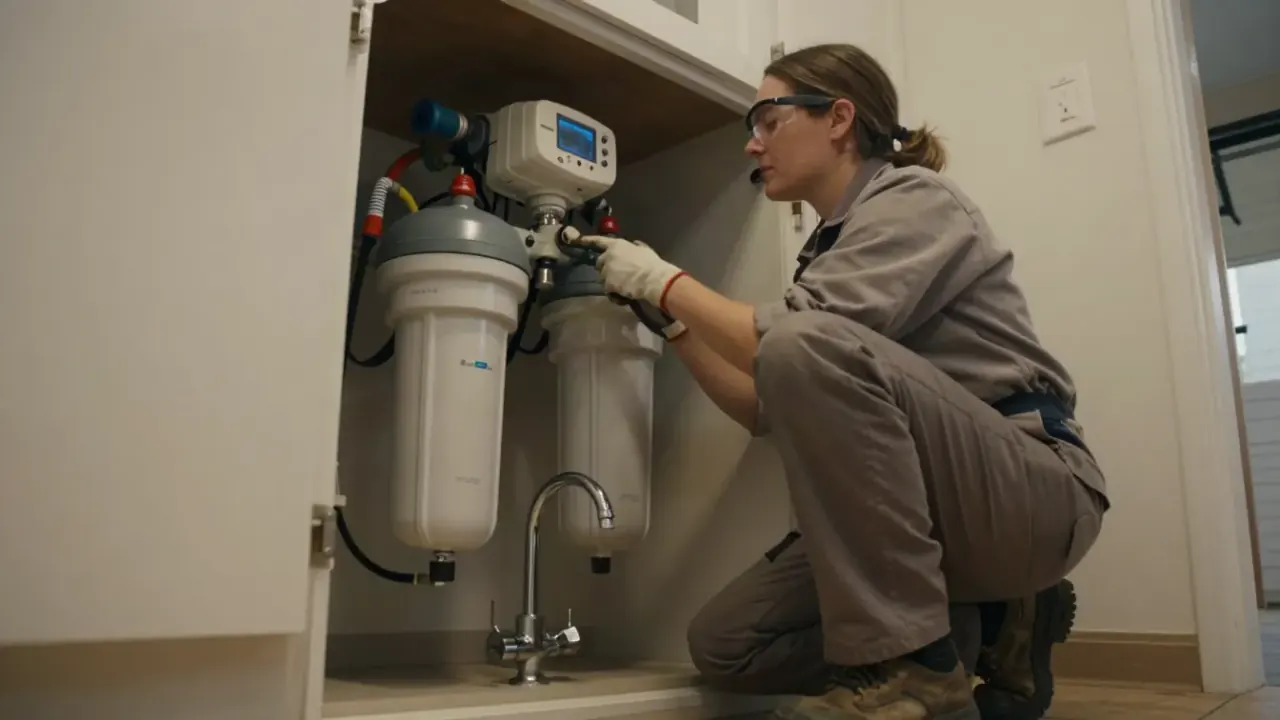
We test the water again, confirm hardness has dropped, and show you the correct salt level and salt type for your system. You get a simple maintenance schedule, usually a full clean every 12 months and a salt check every 4 to 6 weeks. We leave the area dry and clean.
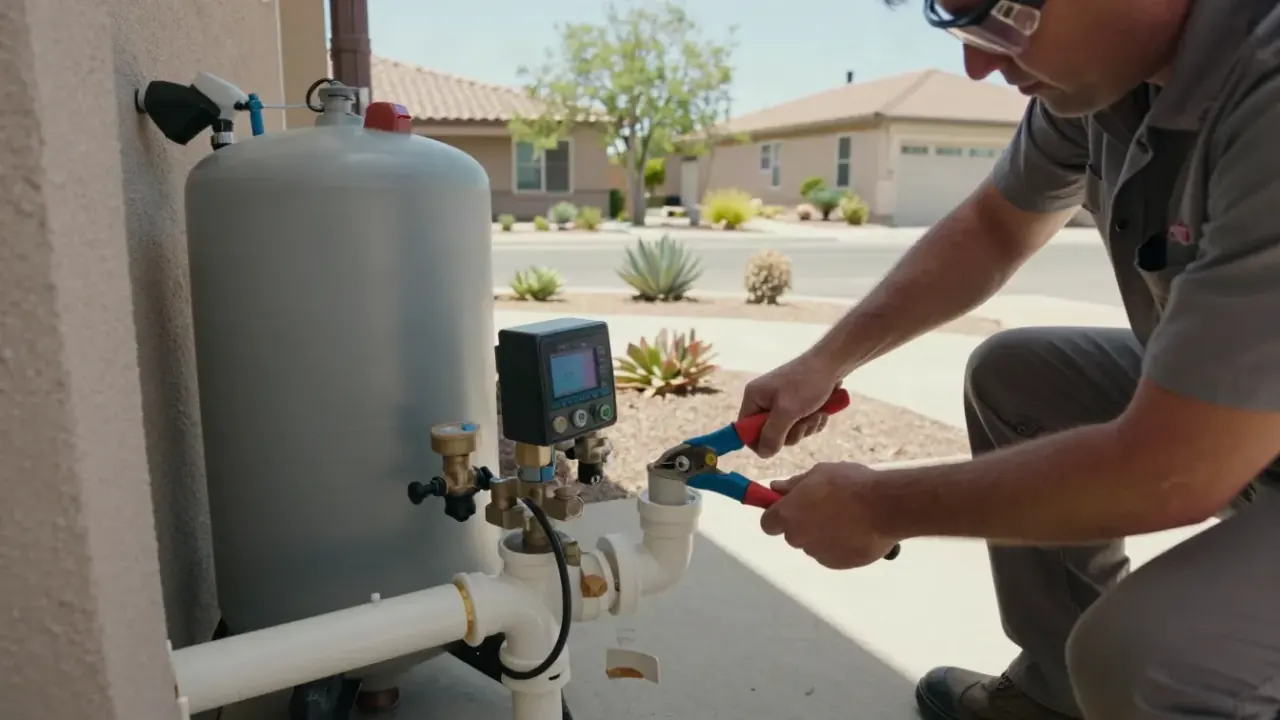
Drains the tank and pulls out wet salt, sludge, and grit without dumping brine on your floor. It reaches the bottom of deep tanks where a scoop cannot.
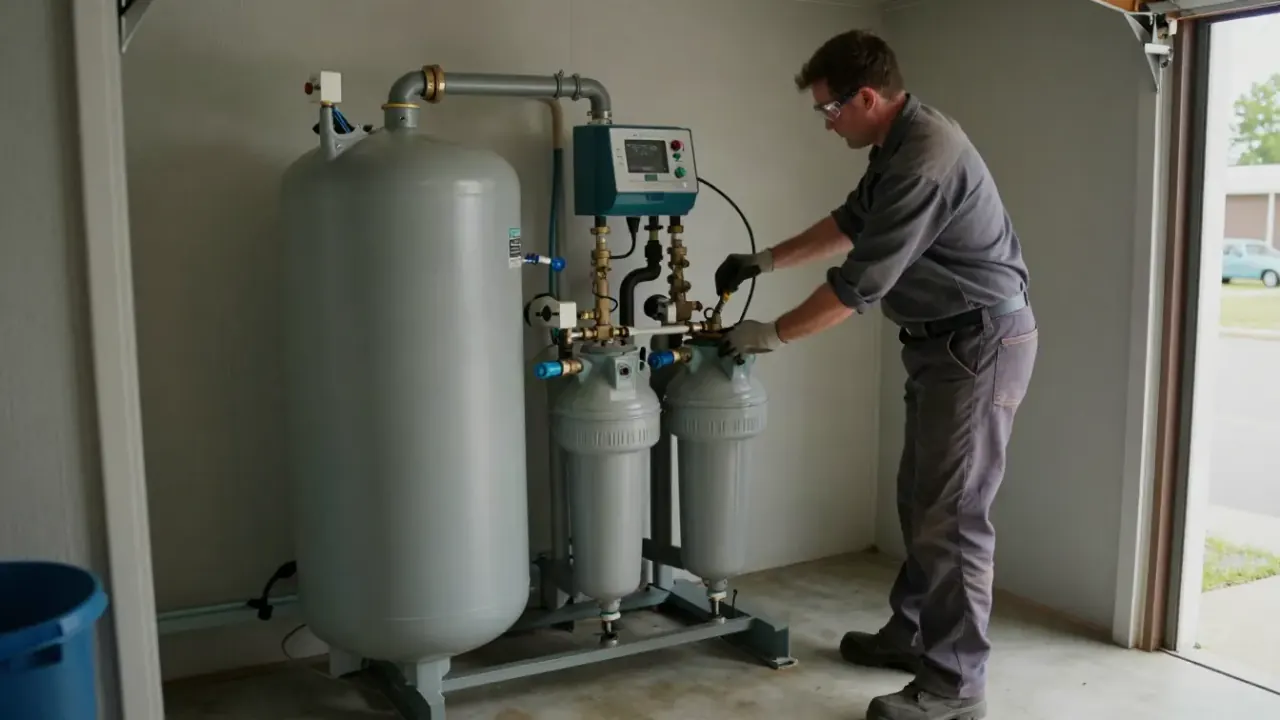
Measures grains per gallon before and after cleaning so you can see the softener is working. Diamond Bar water typically tests 10 to 18 grains per gallon.
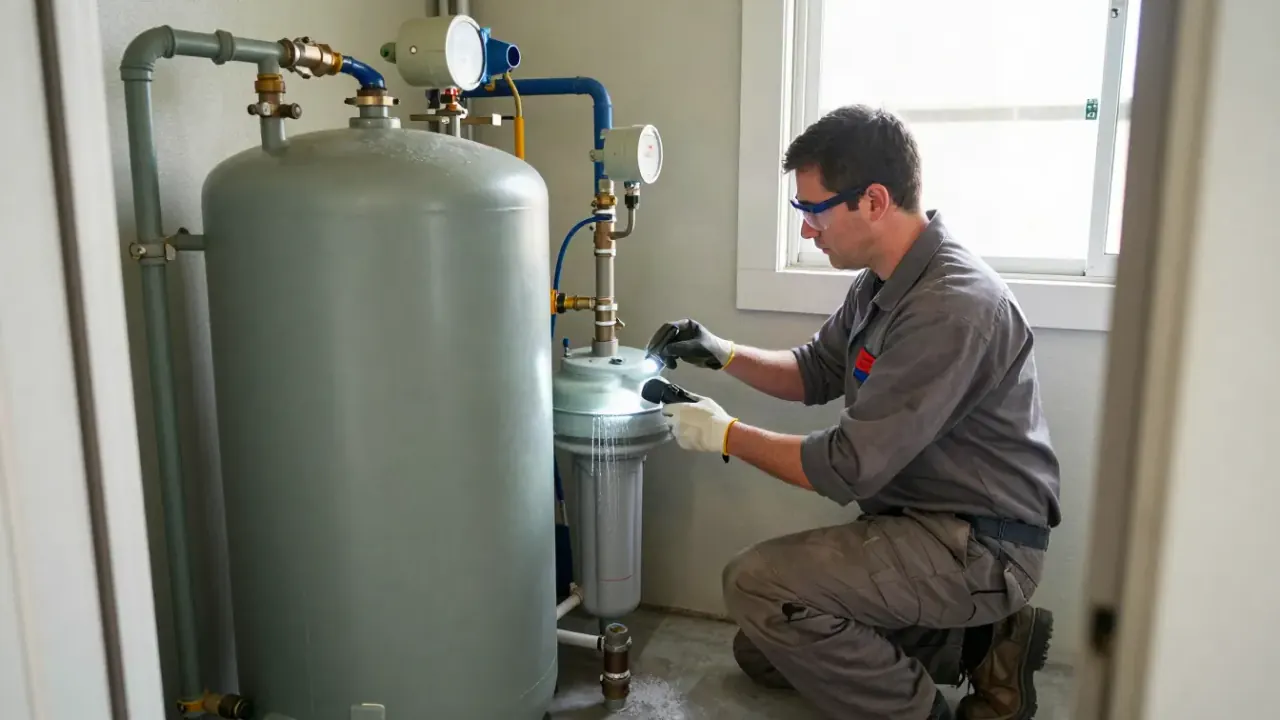
Reads total dissolved solids to confirm the brine draw and check whether the resin is still exchanging minerals properly.
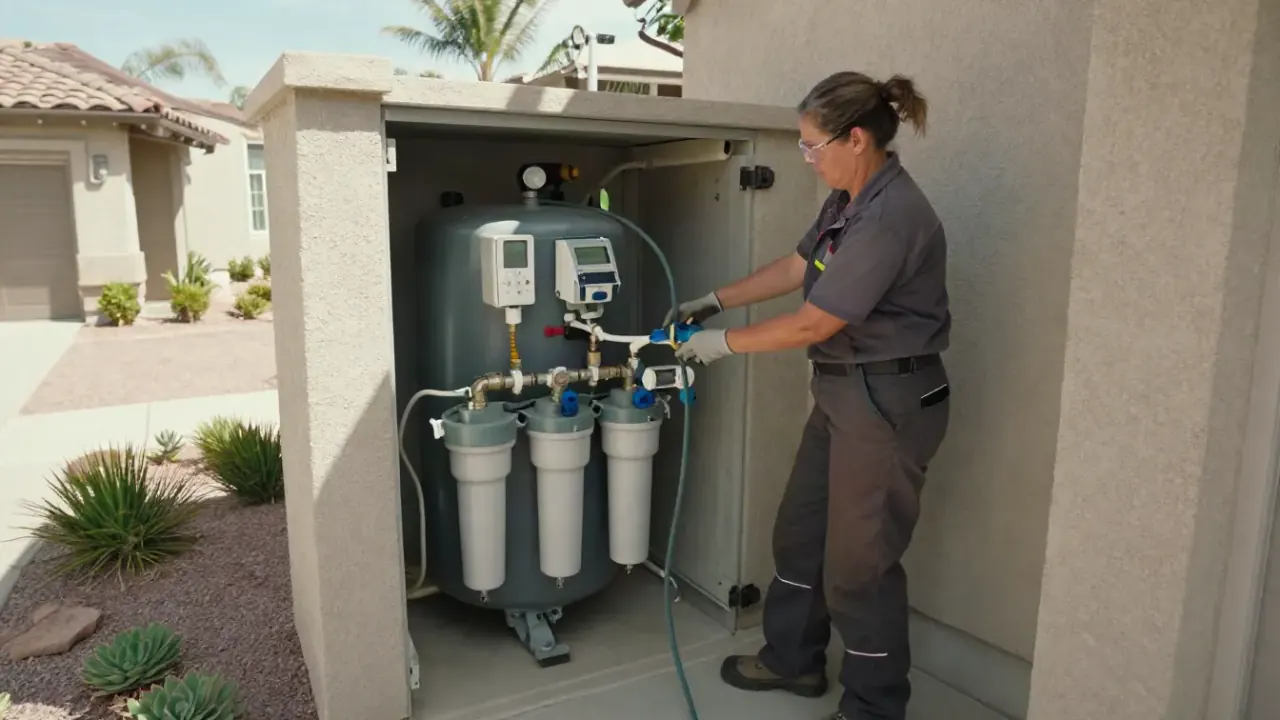
Lets us check and tighten the resin tank connection without damaging the threads, so we can rule out a leak at the head.
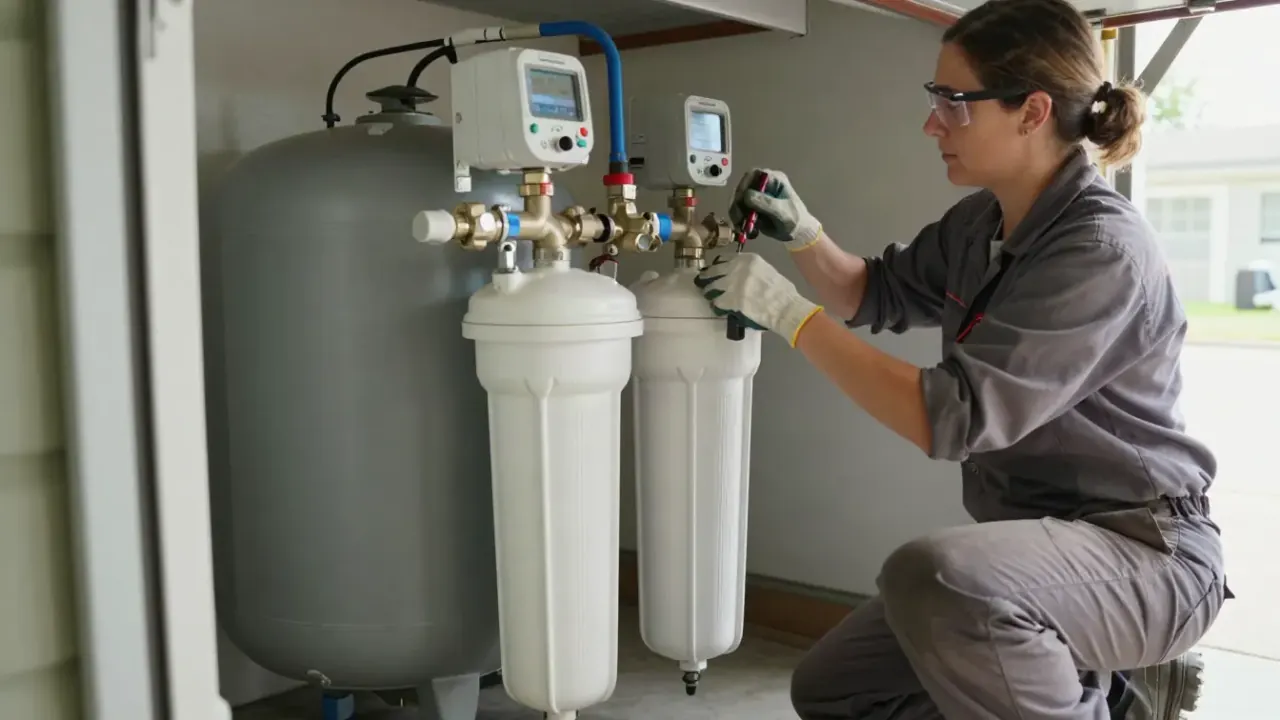
We carry common bypass valves on the truck to isolate the softener during cleaning and replace a leaking one on the spot.
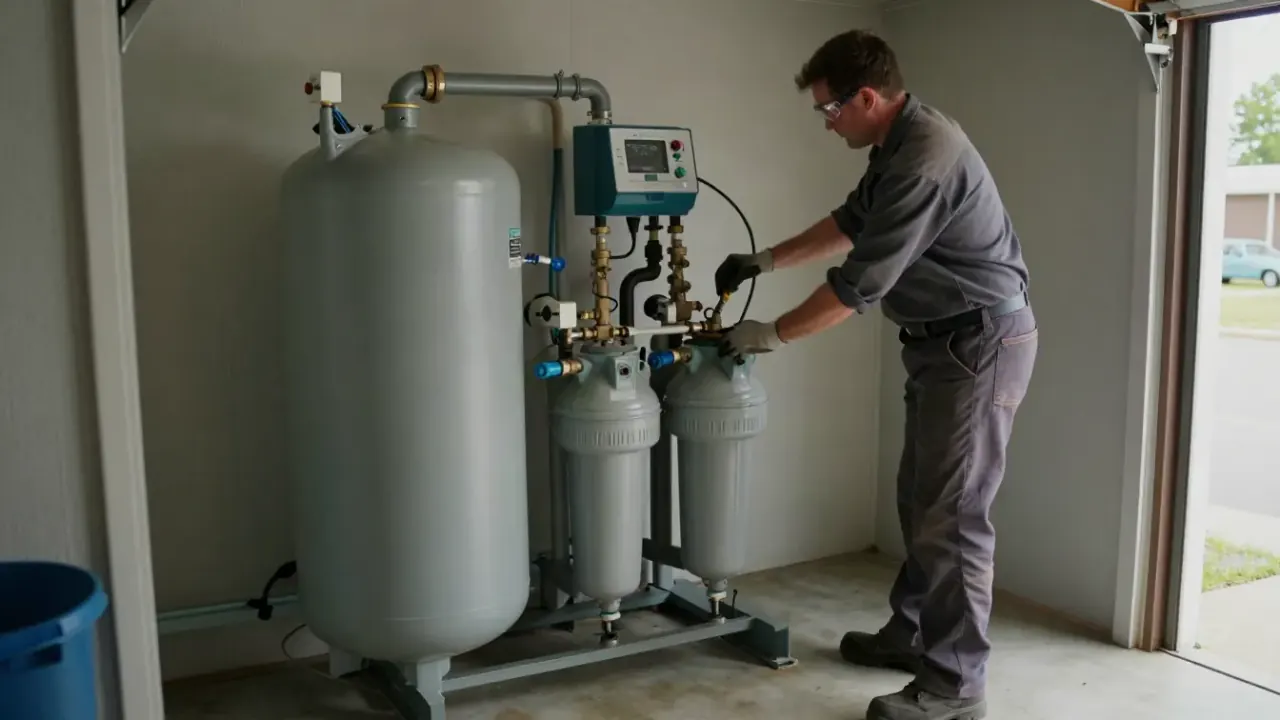
Used to replace cracked brine tubing and make clean cuts on the brine line so the connection seals properly.
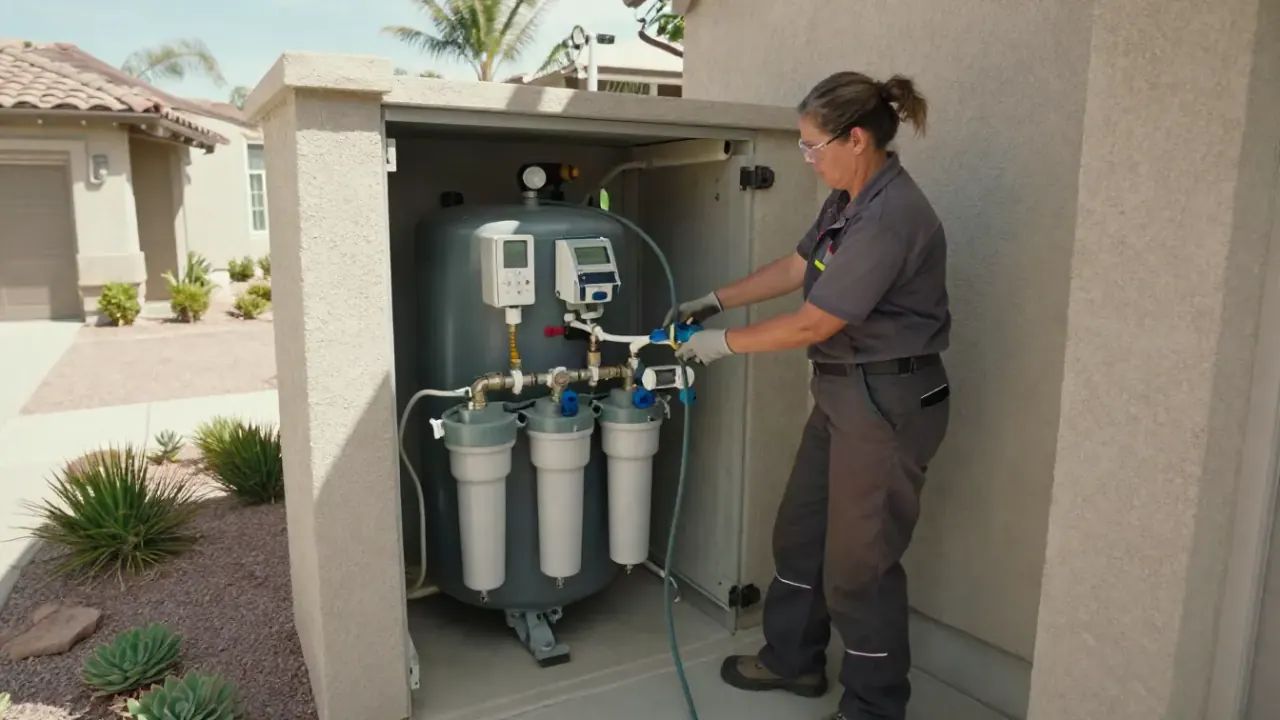
We follow the standard for residential cation exchange softeners on every cleaning, valve check, and salt refill. That means correct salt dosing, proper brine draw, and safe materials in the tank.
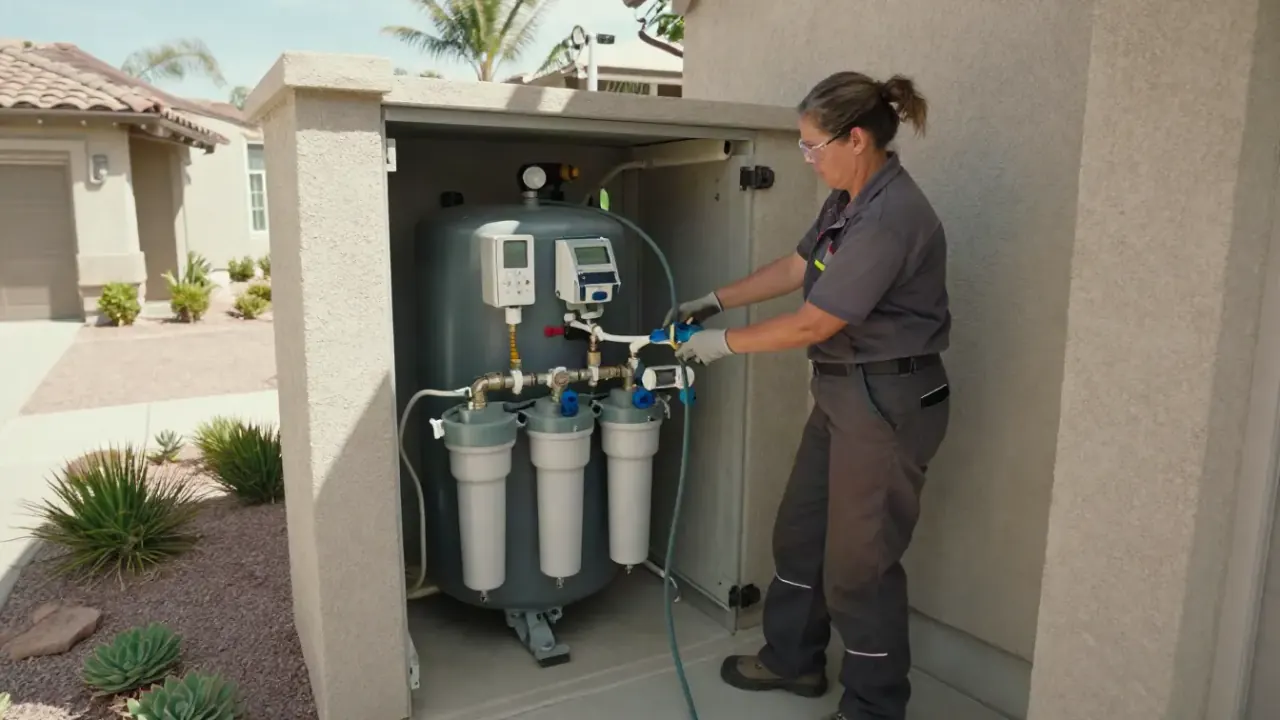
When we replace a float, air check, or bypass valve, we use WQA Gold Seal components. They fit Fleck, Autotrol, and Clack heads and hold up to hard Diamond Bar water.
We vacuum and scoop the tank, break up any bridge, scrub the walls, and flush the brine well. We test hardness before and after and refill with fresh salt at the right level. Soft water returns within one or two regeneration cycles, and salt usage drops back to normal within a month.
We inspect the control valve, resin tank, and brine tank, then clean the brine tank and test the water. If the resin is depleted or the valve is failing, we quote the repair upfront. You know exactly what condition the system is in and what it will cost to keep it running.
We check for scale buildup in the brine line and injector, clean the brine tank, and test the bypass valve. If scaling is in the pipes, we explain the options for filtration or valve repair. Regeneration cycles return to normal length and water pressure recovers at the fixtures.
We clean the tank, adjust the salt dose on the control head for potassium chloride, and confirm the brine draw. We also check the float and air check for buildup. The system pulls proper brine again and your water softens consistently, even with potassium chloride.
Diamond Bar water comes in hard, usually 10 to 18 grains per gallon, and that mineral load is what fills brine tanks with sludge. Most homes here run a softener year-round, so the tank never gets a break. We schedule cleanings around the seasons: late fall before the winter rain, and late spring after the dry months when water use climbs. If you have been looking for how to clean a brine tank in Diamond Bar California, the short answer is yearly, with a salt check every 4 to 6 weeks. We work on the Fleck, Autotrol, Clack, Culligan, Kinetico, GE, Whirlpool, Aquasana, Pelican, and SoftPro systems common in this area. Homes in The Country and The High Country often have larger tanks and higher water use, so we plan extra time for those jobs. We also serve ZIP codes 91789 and 91765.
The tank looked full of salt, but a hard crust had formed on top and the space underneath was hollow. The softener had not pulled brine in weeks, so the water tested at 14 grains per gallon and left spots on every glass.
We broke up the bridge, vacuumed 180 pounds of wet salt and sludge, and flushed the brine well. After a manual regeneration, hardness dropped to 1 grain per gallon and the family had soft water the same evening.
Check for bridging every 4 to 6 weeks with a broom handle, and keep the salt level 3 to 4 inches above the water line. Schedule a full cleaning every 12 months.
A five-person household with high water use had a brine tank full of dark sludge and a smell that filled the garage. Salt use had climbed to a bag every 10 days, and the control valve was starting to stick during regeneration.
We vacuumed the sludge, scrubbed the walls, replaced a cracked air check, and flushed the injector screen. Salt use dropped to one bag every five weeks, and the valve cycled smoothly again. The odor was gone.
Add a sediment filter ahead of the softener to catch iron and grit. Clean the brine tank every 10 months in high-use homes and check the injector screen yearly.
A Diamond Point rental had not been serviced in over a year. The tenant reported hard water and the tank was packed with compacted salt. The bypass valve was also weeping, leaving a small puddle under the unit.
We cleaned the tank, replaced the bypass valve and brine tubing, and tested the resin. Hardness came down from 16 to 2 grains per gallon, and the puddle was gone. The tenant had soft water within a day.
Keep a written salt schedule for tenants and inspect the bypass valve and brine line at every cleaning. A yearly maintenance visit prevents repeat calls.
Most softener complaints trace back to the brine tank. Here are the issues we fix every week in Diamond Bar, and what happens if you let them run.
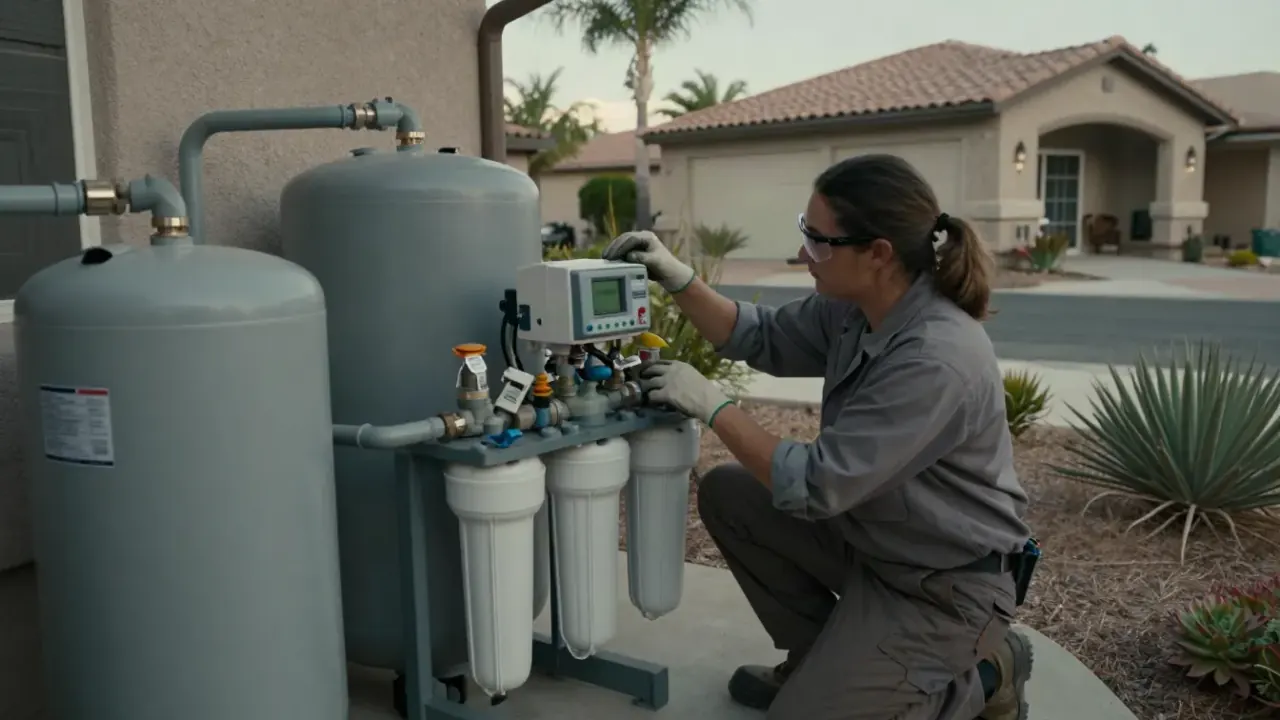
We clean the brine tank and brine well, confirm the brine draw, and test hardness after. If the resin is depleted, we test the resin tank and quote a replacement before it damages the valve. Hard water leaves spots on glassware, builds scale in pipes and the water heater, and shortens appliance life. You keep buying salt for no benefit.
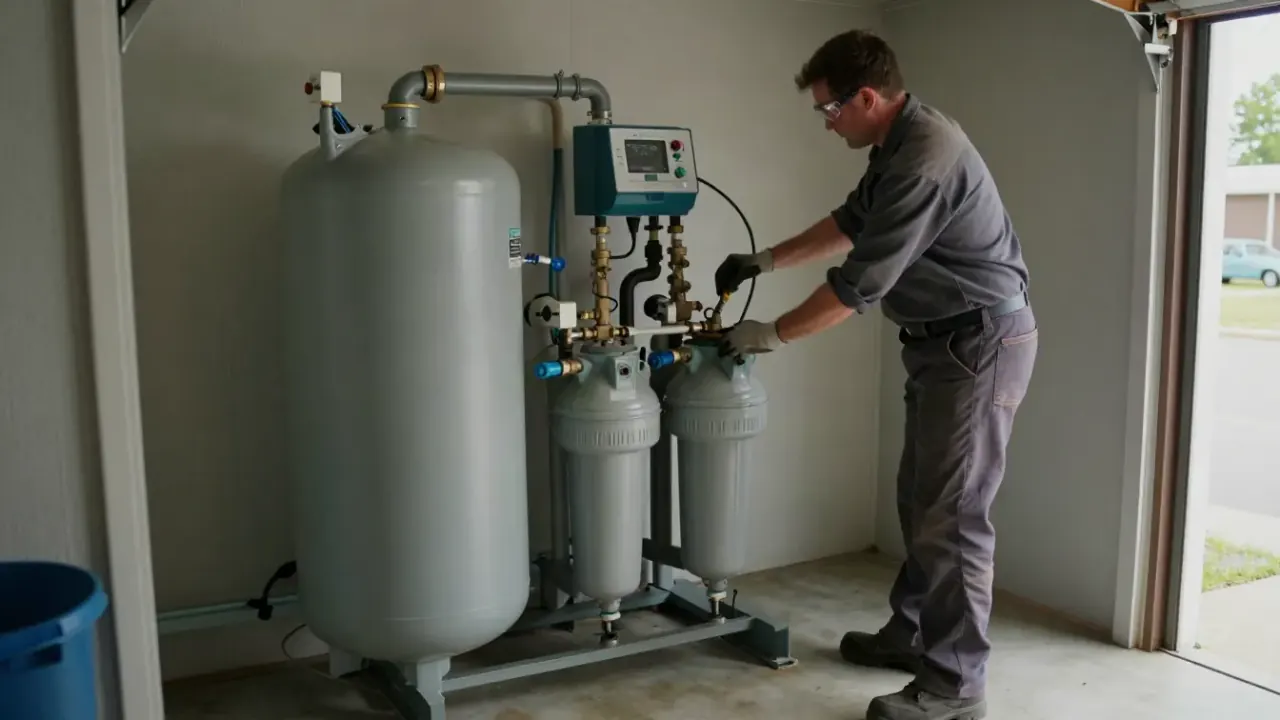
We break up the bridge, vacuum the tank, and refill to the correct level. We also show you how to check for bridging yourself with a broom handle between service visits. A hard crust forms on top while the tank underneath is hollow. The softener never gets brine, so it regenerates with plain water and stops softening entirely.
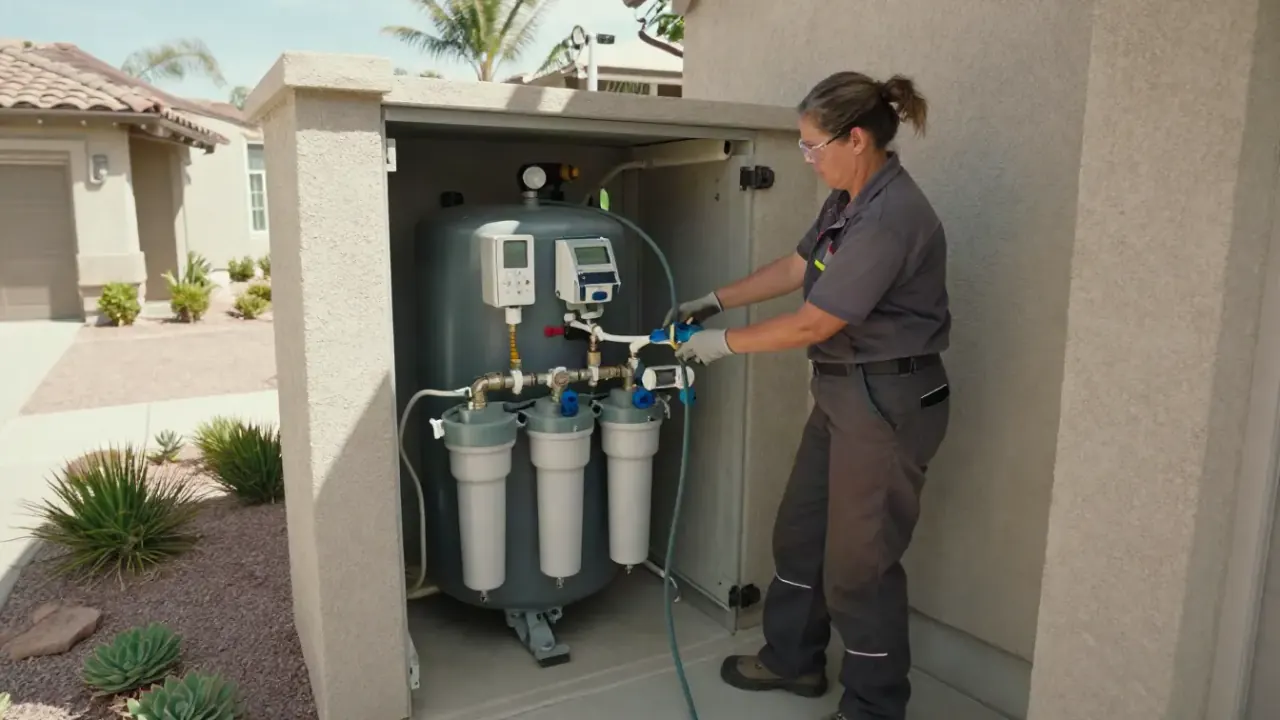
A full clean brine tank Diamond Bar CA service removes the sludge, restores proper brine strength, and resets the salt dose. Most homes cut salt use by half after cleaning. Sludge and undissolved salt make the system run longer cycles. Salt costs climb, and the extra work wears out the control valve and injector faster.
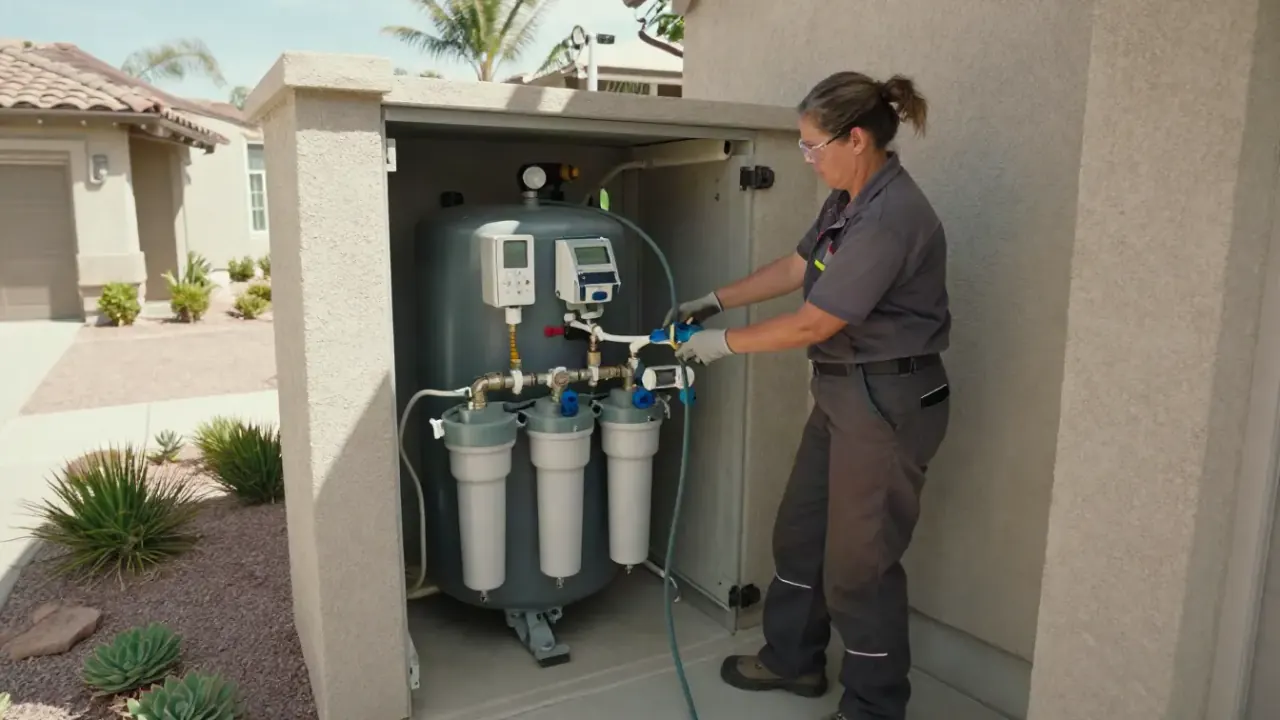
We vacuum the sludge, scrub the walls, flush the brine well, and check the float and air check. If iron is the source, we recommend a sediment or carbon filter ahead of the softener. Iron, grit, and old salt form a smelly layer that can overflow when you add salt. The grit gets pulled into the valve and can jam the piston or plug the injector.
When brine cannot reach the resin, your water turns hard again. Cleaning the tank and brine well lets the system pull a full, strong brine draw on every regeneration cycle. Most customers notice softer water within one or two cycles, usually the same day.
Salt bridges and sludge make the softener run longer and use more salt to do the same job. After a professional clean brine tank Diamond Bar CA service, most homes drop from a bag of salt every two weeks to one every four to six weeks, depending on hardness and household size.
Sludge and grit get pulled into the control valve and can jam the piston, seals, and injectors. A $200 to $350 cleaning now prevents a $600 to $1,200 valve or control head repair later. We also check the float assembly and air check while the tank is empty.
A neglected tank grows a crusty layer that smells and overflows when you add salt. We vacuum the sludge, scrub the walls, and rinse the brine well so the tank stays clean. You get a dry, odor-free tank and a softener that stops leaving hard water spots on glassware.
Typical 2026 pricing for brine tank cleaning in Diamond Bar runs $180 to $350. The range depends on tank size, how much salt and sludge is inside, and how easy the tank is to reach. We quote a flat price before we start, so you know the number up front. If we find a failed valve or resin problem, we quote that repair separately and you decide. Most customers find the cleaning pays for itself within a few months in salt savings alone.
What your estimate is based on
$180 - $350 depending on tank size, sludge level, and parts A clean brine tank restores soft water, cuts salt use by half in many homes, and protects a control valve that costs $600 to $1,200 to replace. The cleaning pays for itself in salt savings and avoided repairs within a few months.
Clear records you can keep and share.
Vacuumed, scrubbed, and flushed brine well
Hardness and TDS readings before and after
Written schedule for salt checks and cleaning
The brine tank is not the softener itself. It makes the brine that regenerates the resin, so a dirty tank stops the whole system from working.
Keep salt 3 to 4 inches above the water line. Too little salt means weak brine and hard water. Too much can bridge and block the brine well.
Pellet salt dissolves cleanly and is the usual choice here. Potassium chloride works too, but it needs a different dose setting on the control head.
Clean the tank once a year in Diamond Bar. High water use or iron in the water can push that to every 8 to 10 months.
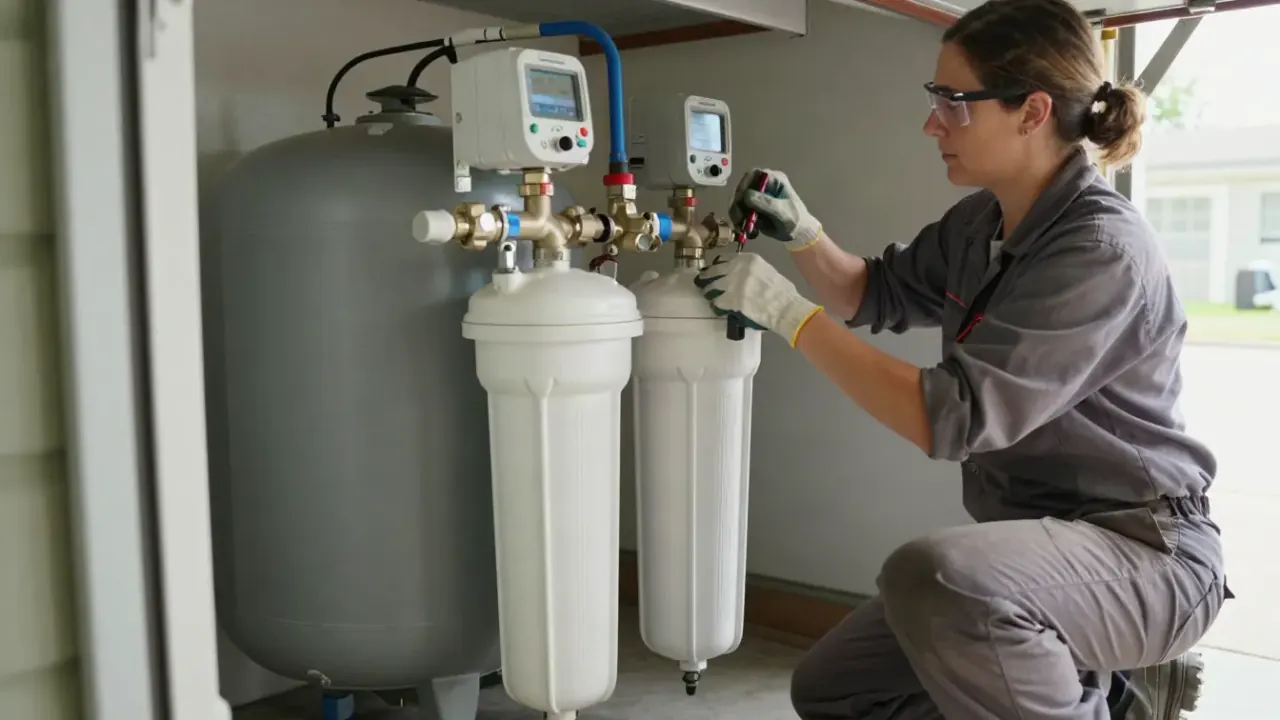
Outside these areas? Call and ask about your street. (909) 415-2296
Most brine tank cleanings in Diamond Bar run $180 to $350 in 2026, depending on tank size, how much salt is inside, and access. Tanks with heavy sludge or a solid salt bridge sit at the top of that range. If we find a failed valve or resin issue, we quote that repair before starting any extra work.
Clean the brine tank every 12 months in Diamond Bar, and check the salt level every 4 to 6 weeks. Our water runs 10 to 18 grains per gallon, which is hard enough to build sludge faster than in softer-water cities. Homes with high water use or iron in the water may need a cleaning every 8 to 10 months.
Hard water, iron, and undissolved salt create the sludge and crust you see in the tank. When salt sits too long, it forms a bridge that stops brine from reaching the resin. Diamond Bar's mineral-heavy water speeds this up. A yearly clean and the right salt type keep the tank clear and the softener regenerating.
You can scoop out salt and rinse the tank, but most homeowners miss the brine well, float, and air check, which is where clogs start. If you want to try, unplug the unit, bypass the water, and use a wet vac. For a full clean with a system check, our professional brine tank cleaning near me service handles it in about an hour.
If your softener is eating salt without softening water, the brine tank is the first place to look. Call us at (909) 415-2296 for same-day service, a flat upfront price, and a tank that works again. We serve Diamond Bar and Los Angeles County.
Call (909) 415-2296 or email us and we will get back to you the same business day. We answer questions about hardness readings, salt use, and system sizing before you book anything. Serving Diamond Bar and Los Angeles County.